Source ce precision manual sowing machine for Corn, Wheat, and Beans
Find and compare 30 ce precision manual sowing machine options from verified Chinese suppliers. Evaluate models with 1-7 rows, adjustable spacing, and gear-driven mechanisms for efficient corn, wheat, and bean planting.
Key considerations
Products List




Comprehensive Sourcing Guide
Ce Precision Manual Sowing Machine Sourcing Guide
Sourcing a CE precision manual sowing machine requires a careful balance between ergonomic design, mechanical reliability, and regulatory compliance. Buyers must recognize that "manual" in this context often refers to human-powered operation rather than electric or tractor-drawn systems, which significantly impacts the machine's weight, complexity, and intended use case. The presence of a CE mark indicates that the manufacturer claims adherence to European health, safety, and environmental protection standards, which is a critical verification step for importers into the European Union. However, the CE mark alone does not guarantee performance; it must be supported by technical documentation and a valid Declaration of Conformity. Procurement teams should prioritize suppliers who provide transparent evidence of these compliance documents rather than relying solely on product images or marketing descriptions.
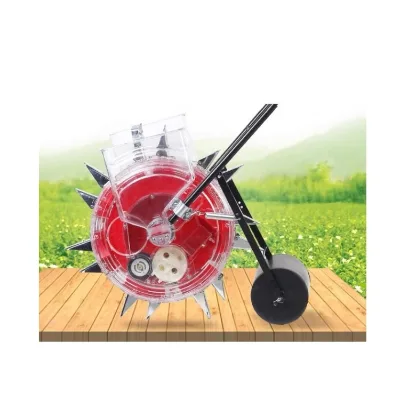
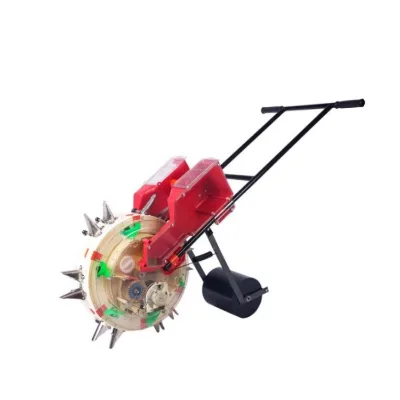
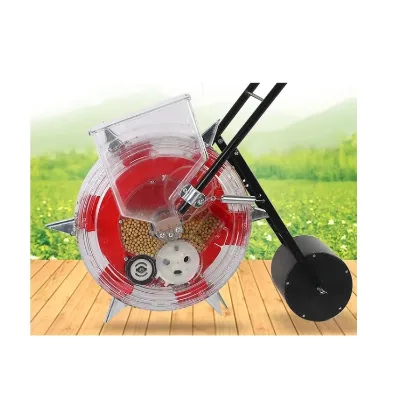
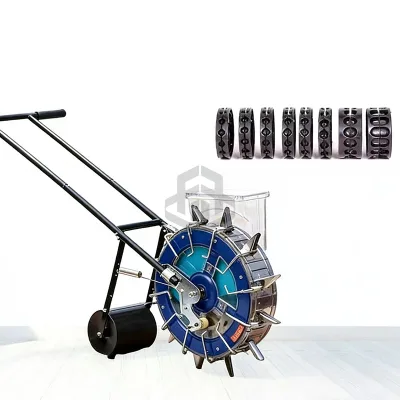
The market for these machines is diverse, ranging from simple hand-held seeders for small-scale gardening to more complex semi-automatic units designed for larger agricultural plots. Observed listings show a wide variance in specifications, including single-row and multi-row configurations, adjustable planting distances, and varying core components such as gears or gearboxes. This diversity means that a one-size-fits-all approach to sourcing is ineffective. Buyers must clearly define their operational needs, such as the type of seeds to be planted (e.g., corn, wheat, vegetables) and the terrain conditions, to filter the available options. Understanding the specific mechanical advantages of each design, such as precision seeding capabilities or dual seeding and fertilization functions, is essential for making an informed purchasing decision that aligns with long-term agricultural goals.
Product Scope and Observed Listing Signals
The observed product landscape for precision manual sowing machines reveals a significant range in pricing and minimum order quantities (MOQ), reflecting the heterogeneity of the supply base. Prices observed in the market span from approximately $5 to $25,000, a disparity that likely correlates with the level of mechanization, material quality, and included features such as automatic or semi-automatic functions. While the core keyword specifies "manual," some listings describe "semi-automatic" or even "automatic" planting machines, indicating that buyers must scrutinize the power source and mechanization level carefully. The MOQs also vary widely, from as low as 1 set to 100 units, suggesting that suppliers cater to both individual farmers and large-scale agricultural enterprises. This variability allows for flexible procurement strategies but requires buyers to negotiate terms that match their volume requirements and budget constraints.
Key selling points frequently highlighted in listings include multifunctionality, high efficiency, and precise seeding capabilities. These attributes are critical for buyers seeking to maximize yield and minimize labor costs. Many machines offer adjustable plant distances and seeding depths, typically ranging from 5-6 cm, which allows for customization based on crop requirements. Additionally, some models support dual seeding and fertilization, streamlining the planting process by combining two operations into one. Buyers should verify these claims by reviewing the product specifications and, if possible, requesting video demonstrations or detailed technical drawings. The presence of core components like gears or gearboxes suggests a mechanical transmission system that relies on user input, which can be more durable and easier to maintain than electronic systems in rugged field conditions.
Technical Specifications to Verify
When evaluating technical specifications, buyers must focus on the physical dimensions, weight, and operational parameters of the sowing machine. Observed dimensions vary, with some models measuring around 55x29x67 cm, while others are listed with different standard sizes. The weight of the machine is a crucial factor for manual operation, as lighter units are easier to handle but may lack the stability needed for consistent seeding depth. Buyers should verify the single gross weight and volume to ensure the machine is portable and suitable for their specific field conditions. Additionally, the number of planting rows is a key differentiator, with options ranging from single-row to multi-row configurations. Multi-row machines can increase productivity but require more physical effort and may need additional support structures or attachments.
The model numbers and core components provide insight into the machine's design and potential reliability. Common model identifiers include series like KL-M and MS, which may correspond to different row configurations or feature sets. Core components such as gears and gearboxes are essential for the mechanical transmission of power from the user to the seeding mechanism. Buyers should inquire about the material quality of these components, as well as the availability of spare parts. The warranty period, often listed as one year, is another important technical consideration, as it reflects the manufacturer's confidence in the product's durability. Buyers should also check if machinery test reports are available, as these documents can provide objective data on the machine's performance and reliability under standard operating conditions.
Compliance and Safety Documentation
Compliance with the CE marking is a non-negotiable requirement for importing precision manual sowing machines into the European market. Buyers must request the CE Declaration of Conformity from the supplier, which should list the applicable directives and standards, such as the Machinery Directive. The presence of a CE mark on the product itself is not sufficient; the accompanying documentation must be complete and accurate. Buyers should also verify if the supplier holds other relevant certifications, such as ISO 9001, which indicates a commitment to quality management systems. While some listings mention ISO 13485, this standard is typically associated with medical devices and may be irrelevant for agricultural machinery, so buyers should exercise caution and verify the applicability of any claimed certifications.
Safety features and operational guidelines are critical components of the compliance package. Buyers should ensure that the machine comes with clear user manuals in the local language, detailing safe operating procedures, maintenance schedules, and potential hazards. The design of the machine should minimize risks such as pinch points or ergonomic strain, especially for manual operation. Buyers should also inquire about the availability of safety guards or protective covers for moving parts like gears and belts. Additionally, the supplier should provide information on the machine's noise levels and vibration emissions, as these factors can impact operator health over time. Verifying these aspects ensures that the machine not only meets regulatory requirements but also provides a safe working environment for the end-user.
Cost Drivers and Commercial Terms
The cost of a precision manual sowing machine is influenced by several factors, including the complexity of the design, the materials used, and the level of customization offered. Machines with advanced features such as adjustable planting distances, dual seeding and fertilization functions, or multi-row configurations typically command higher prices. Buyers should also consider the cost of shipping and logistics, as the weight and dimensions of the machine can significantly impact freight charges. The MOQ is another critical commercial term, as ordering larger quantities may result in volume discounts but requires a higher initial investment. Buyers should negotiate terms that align with their cash flow and storage capabilities, ensuring that they do not overstock inventory that may become obsolete or damaged.
Warranty and after-sales support are essential components of the total cost of ownership. A standard one-year warranty is common, but buyers should clarify the scope of coverage, including whether it covers parts, labor, or both. The availability of spare parts, such as gears or replacement seed meters, is crucial for minimizing downtime in the field. Buyers should also inquire about the supplier's response time for technical support and the availability of training materials or videos. Customization services, such as branding or specific color options, may incur additional costs but can be valuable for businesses looking to create a unique product identity. Understanding these commercial terms helps buyers make a holistic assessment of the supplier's value proposition beyond the initial purchase price.
Supplier Qualification and Quality Control
Supplier qualification is a critical step in ensuring the reliability and consistency of the precision manual sowing machine supply chain. Buyers should conduct due diligence on the supplier's manufacturing capabilities, including their production capacity, quality control processes, and experience in the agricultural machinery sector. Requesting factory audits or third-party inspection reports can provide valuable insights into the supplier's operational standards. Buyers should also verify the supplier's ability to provide machinery test reports, which can demonstrate the machine's performance and reliability. The availability of a machinery test report is a strong indicator of a supplier's commitment to quality and transparency.
Quality control measures should be integrated into the procurement process to minimize the risk of receiving defective products. Buyers should establish clear quality acceptance criteria, including visual inspections, functional tests, and performance benchmarks. Implementing pre-shipment inspections can help identify and rectify any issues before the goods are dispatched. Buyers should also consider the supplier's return and replacement policies, as these provide a safety net in case of quality disputes. Building a strong relationship with the supplier through regular communication and feedback can also help improve product quality and service over time. By prioritizing supplier qualification and quality control, buyers can mitigate risks and ensure a smooth procurement experience.
Long-Term Procurement Checks
Long-term procurement success depends on the ability to monitor and adapt to changes in the market, technology, and supplier performance. Buyers should regularly review their supplier's product offerings to identify new features or improvements that could enhance their operations. Staying informed about industry trends, such as advancements in manual seeding technology or changes in regulatory requirements, can help buyers make proactive decisions. Buyers should also maintain open lines of communication with their suppliers to address any emerging issues or concerns promptly. Regular performance evaluations of the supplier, based on metrics such as delivery times, product quality, and customer service, can help identify areas for improvement.
Sustainability and environmental considerations are increasingly important in the agricultural sector. Buyers should inquire about the environmental impact of the machine's production and operation, including the use of recyclable materials or energy-efficient designs. Suppliers who demonstrate a commitment to sustainability may offer long-term benefits, such as improved brand reputation and compliance with evolving environmental regulations. Buyers should also consider the end-of-life disposal of the machine, ensuring that it can be recycled or disposed of in an environmentally responsible manner. By incorporating these long-term checks into their procurement strategy, buyers can ensure that their investment in precision manual sowing machines remains relevant and valuable over time.
FAQs
What is the working method of this seeder?
The working method is manual hand held operation. This design allows for precise control during sowing without requiring external power sources, making it suitable for small-scale farming or specific crop applications where automation is not needed.
Which planting rows are available for this machine?
Available planting rows include 1, 2, or 4 rows depending on the specific model configuration. The machine supports various row numbers to accommodate different crop spacing requirements and field layouts for efficient seed distribution.
Can the planting distance be adjusted on this unit?
Yes, the plant distance is adjustable to meet specific crop spacing needs. This feature allows farmers to customize the spacing between seeds, ensuring optimal growth conditions for crops like corn, rice, wheat, and various vegetables.
What is the warranty period for this seeder?
The standard warranty period is 1 year for the product. This coverage applies to core components and ensures reliability, though specific warranty terms may vary depending on the model and supplier conditions.
How many rows does the high-capacity model support?
The high-capacity model supports 7 rows for increased productivity. This configuration is designed for larger scale operations requiring higher throughput while maintaining precision seeding capabilities for various agricultural applications.
What is the MOQ for purchasing this seeder?
The minimum order quantity is 1 set for standard models. Some specific configurations or bulk orders may require a minimum of 10 units, so buyers should verify the exact MOQ based on the selected model and customization needs.
Which certifications does the machinery hold?
The machinery holds ISO9001 certification indicating quality management standards. This certification ensures that the manufacturing process meets international quality requirements, providing assurance of product reliability and consistency for agricultural buyers.